Sports Card Values: What Makes a Card Worth Money
Most old cards aren't worth much. A few are worth a lot. Here's how to tell which is which before you sell, grade, or throw anything out.
Serving Miami & South Florida · Storefront in Davie, FL

The short answer
Six things decide a card's value: the player, the card, the condition, the grade, the scarcity, and the market on the day you sell. Get those right and you know roughly where you stand.
1. The player
Demand follows people. Hall of Famers, current stars and players tied to a famous moment have the deepest collector interest.
A player's value can also change. Performance, injuries, awards and Hall of Fame news move the market. A card's value today is not a promise about next year.
2. The card
Not every card of a great player is worth the same.
Rookie cards are usually the most valuable card of a player. The first widely-released card is what most collectors want.
Set and year matter. Some sets are premium and some are mass-market. Certain years and issues are more sought after than others.
Parallels and variations. Colored, refractor or numbered versions of a card are often worth much more than the base card.
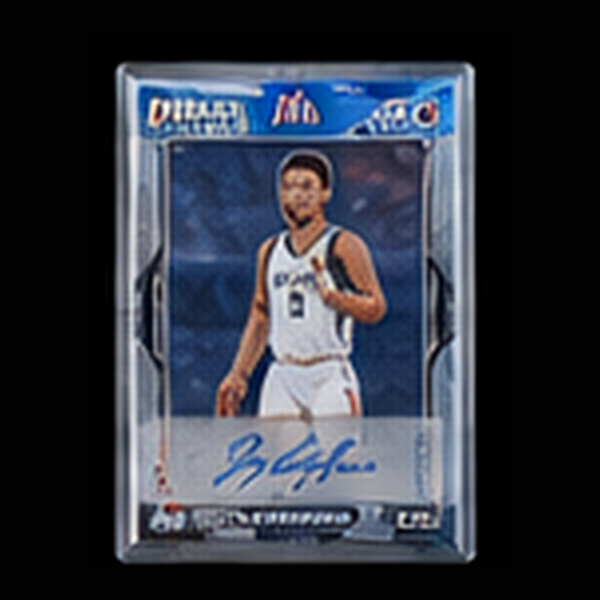
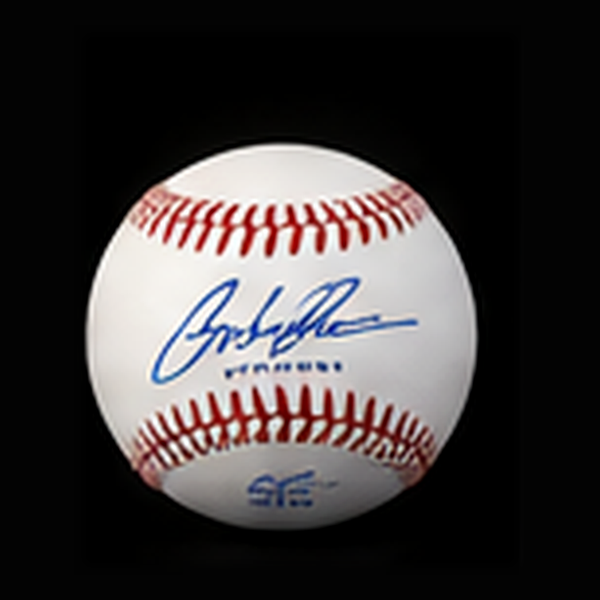
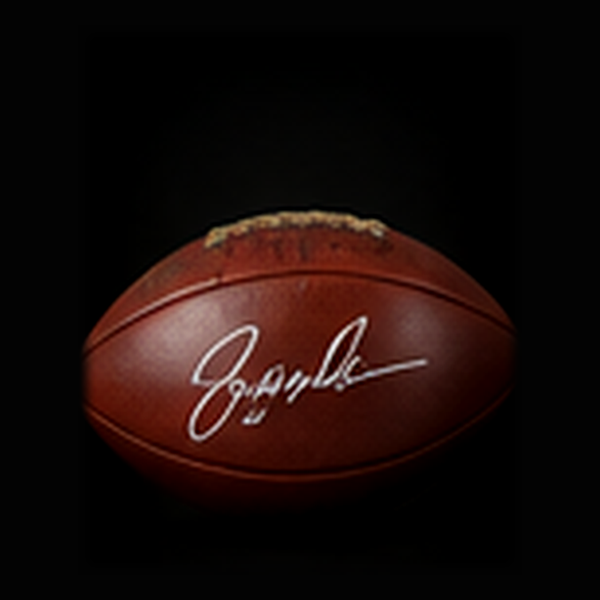
Autographs. A signed card is worth the most when the autograph is authenticated and, in modern cards, signed directly on the card rather than on a sticker.
3. The condition
Cards are judged on four things.
- Centering. Is the image evenly placed within the borders?
- Corners. Sharp, or soft and rounded?
- Edges. Clean, or chipped and rough?
- Surface. Clean, or scratched, creased, stained or printed with defects?
Even small flaws matter. A crease can cut a card's value sharply.
4. The grade
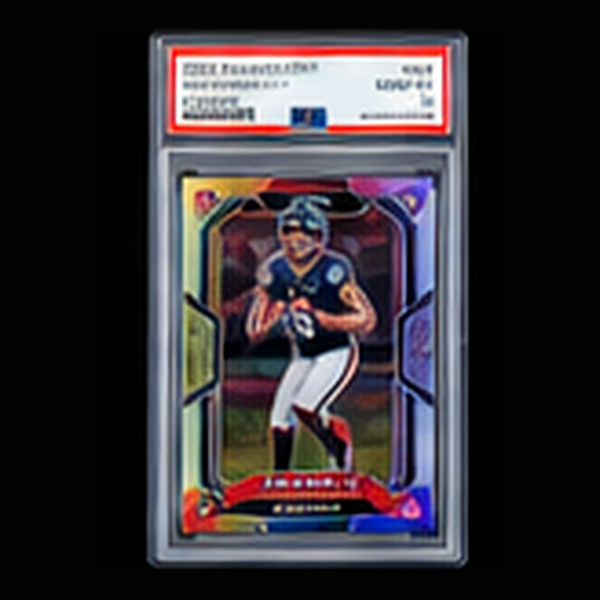
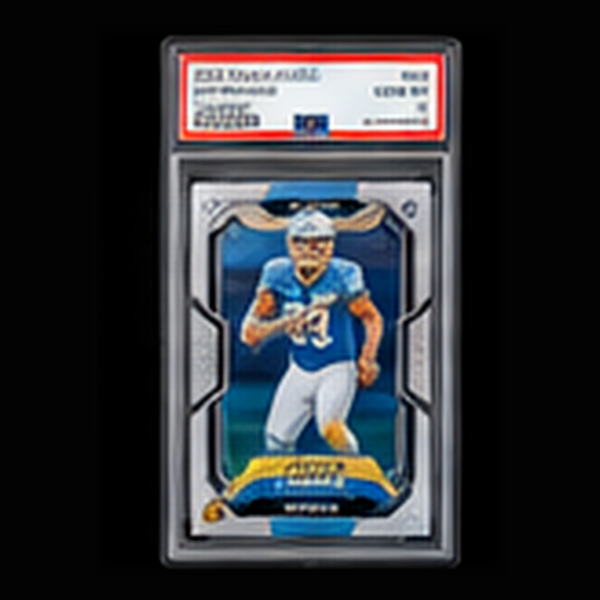
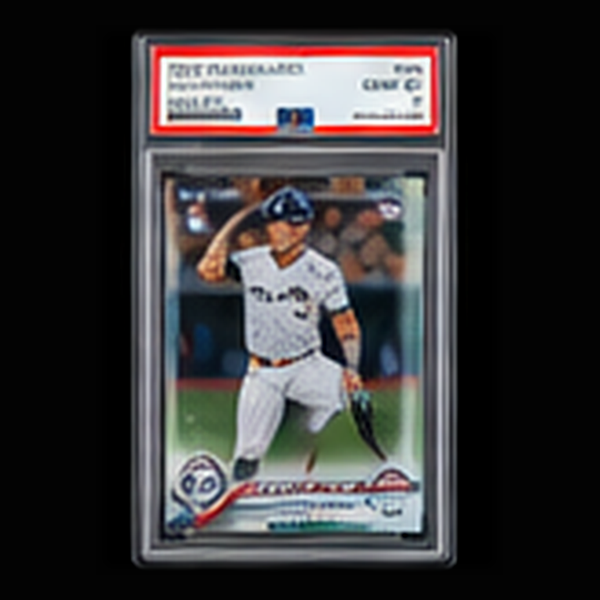
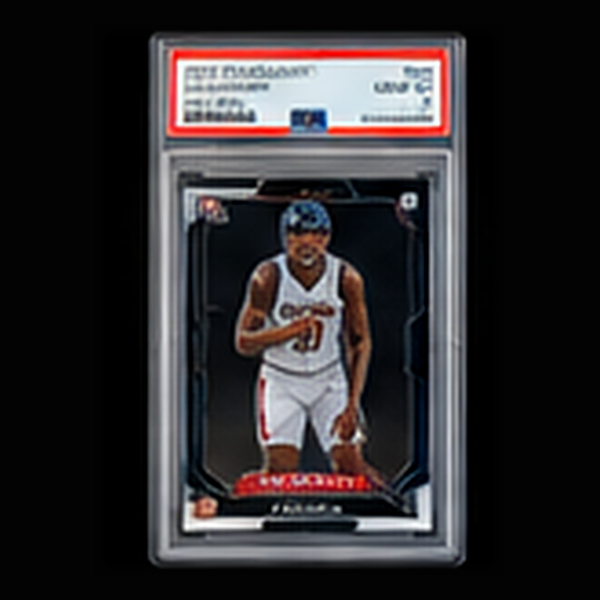
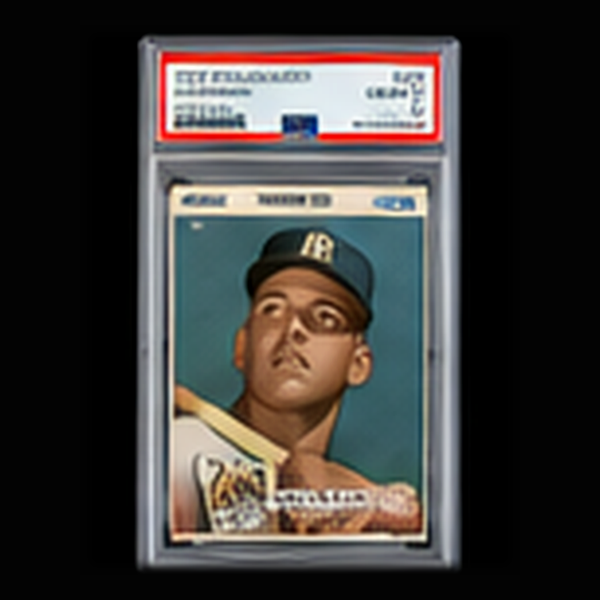
Grading companies such as PSA, BGS and SGC inspect a card, give it a grade, and seal it in a slab. PSA uses a 1 to 10 scale, where 10 is Gem Mint.
The gap between grades can be large. A card that's a 10 can be worth several times more than the same card at a 9. On valuable cards, grading is often worth it. On common cards, it usually isn't, because the fee can be more than the card's worth.
More detail: PSA Graded Cards.
5. Scarcity
Print run. Cards made in small numbers are worth more than cards made in huge numbers. Serial-numbered cards, such as "/25," are limited by design.
The overproduction era. Cards printed from the late 1980s through the mid-1990s were made in enormous quantities. A boxful is usually worth less than people expect. Vintage cards from the 1950s and 1960s, printed in smaller numbers and harder to find in good condition, are a different story.
Population reports. The graders publish how many copies of a card they have graded at each grade. Fewer high-grade copies usually means more value.
6. The market
A card is worth what someone will pay for it now.
Look at sold prices, not asking prices. Anyone can list a card for any amount. Recent sold listings on marketplaces like eBay, or on price-tracking sites, tell you what buyers actually paid.
Compare the same grade. A raw card and a PSA 10 of it are not comparable.
Prices move. Player news, new releases and seasons can raise or lower a card's price.
Mistakes that cost collectors money
- Cleaning or "fixing" a card. Rubbing, trimming and pressing can destroy value. Leave it alone.
- Storing badly. Heat, humidity, rubber bands and loose stacks cause damage. Use sleeves and rigid holders for anything you think is valuable.
- Grading everything. Grading fees add up. Only grade cards that are likely to be worth more after grading.
- Assuming old means valuable. Many old cards are common.
- Splitting up a collection before having it evaluated.
- Trusting the first number. Ask more than one buyer.
Quick checklist for your cards
- 01
Identify it
Identify the player, year, brand and card number (printed on the back).
- 02
Check what it is
Check if it's a rookie card, numbered, or an autograph.
- 03
Inspect condition
Look at the corners, edges, surface and centering under good light.
- 04
Search sold prices
Search the card's recent sold prices.
- 05
Protect it
If it looks valuable, protect it and get it looked at.
Want us to look?
Bring your cards to our Davie store or send photos of the front and back. We'll tell you what we see, whether we think grading makes sense, and what we'd offer if you want to sell. You can also borrow against valuable cards instead of selling.
Frequently Asked
Check the player, year, card number and condition, then compare recent sold prices for the same card. Or bring them in and we'll look.
Come See Us In Person
Visit Balili Jewelry & Pawn at 4343 S State Rd 7, Ste 104, Davie, FL 33314. We serve customers across South Florida.