Sell Your Diamonds in Miami to a Buyer Who Actually Understands Them
Selling a diamond is different from selling gold. Gold has a published spot price. Diamonds do not. Every diamond is unique, and its value depends on a combination of factors that require genuine gemological knowledge to assess accurately. At Balili Jewelry & Pawn, diamonds are evaluated by specialists who understand the secondary diamond market — not estimated with a quick glance and a lowball number. Whether you are selling a loose stone, a diamond ring, or an entire collection, you receive a valuation based on what your diamond is actually worth today.
Serving Miami & South Florida · Storefront in Davie, FL
Why Selling Diamonds Requires Expertise
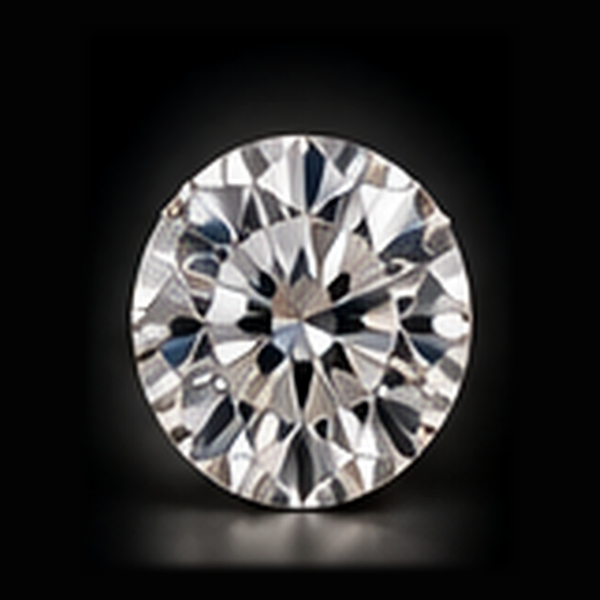
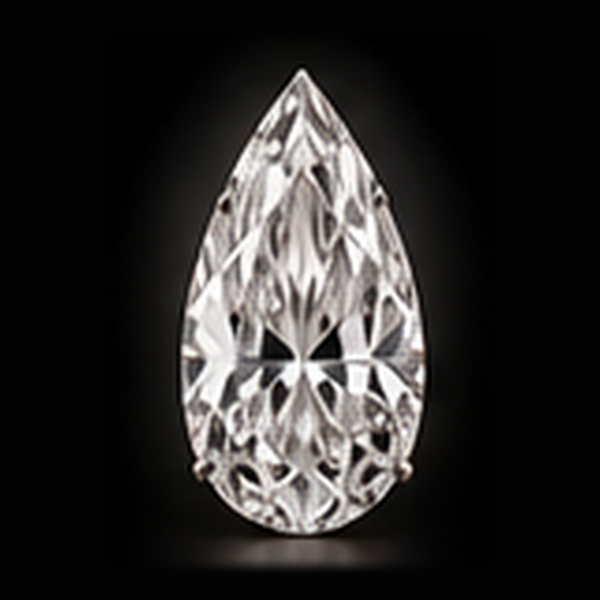
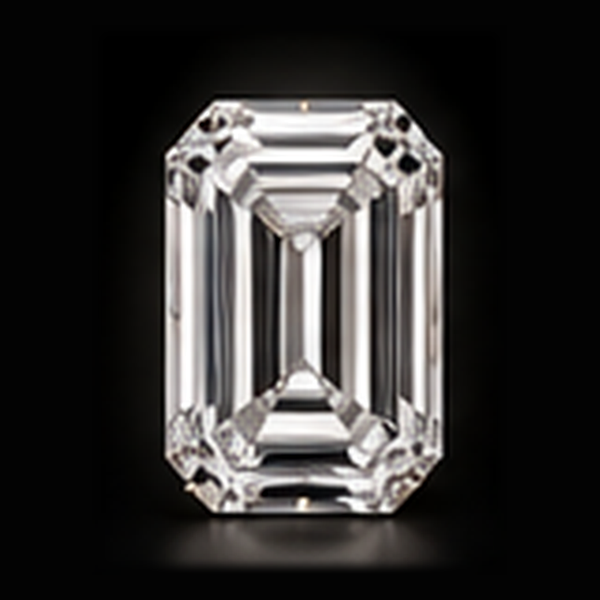
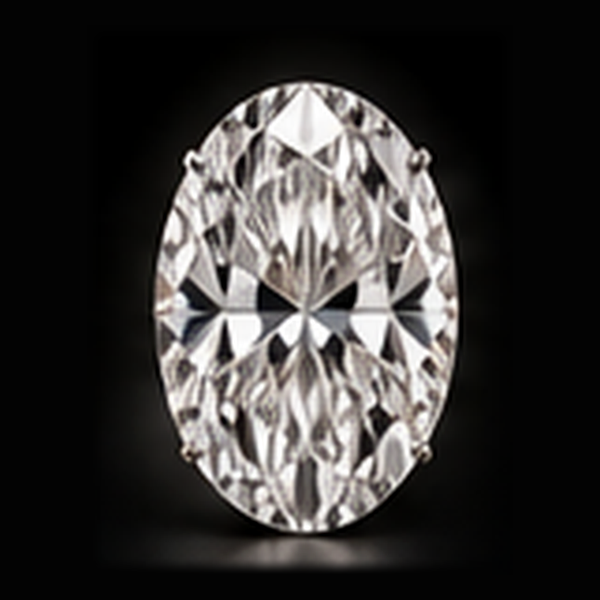
Unlike gold, there is no single market price for a diamond. Two one-carat diamonds can differ in value by thousands of dollars based on cut, color, clarity, fluorescence, and proportions. Shape affects pricing. Certification source matters. Market demand for specific configurations shifts over time.
This complexity is why the buyer you choose matters more for diamonds than almost any other asset. An evaluator without gemological expertise will default to conservative estimates — or worse, will not recognize the quality markers that drive your diamond's actual value upward.
What Diamonds We Buy
Loose Diamonds
Individual stones of any shape, size, and quality. GIA-certified stones are the most straightforward to evaluate, but uncertified loose diamonds can be assessed directly.
Diamond Rings
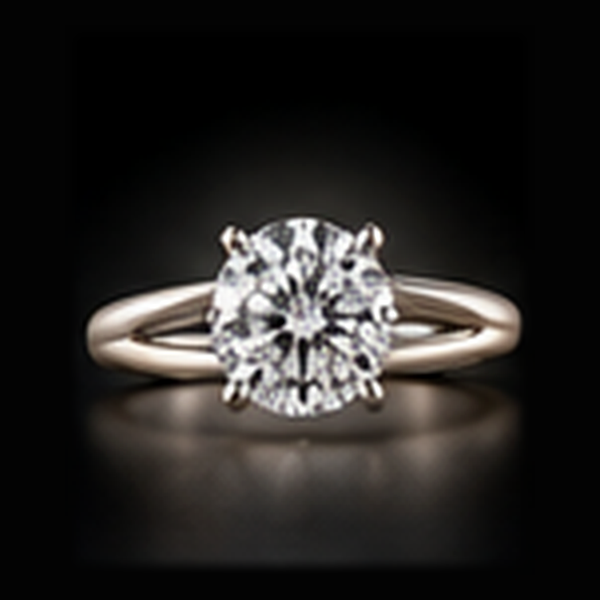
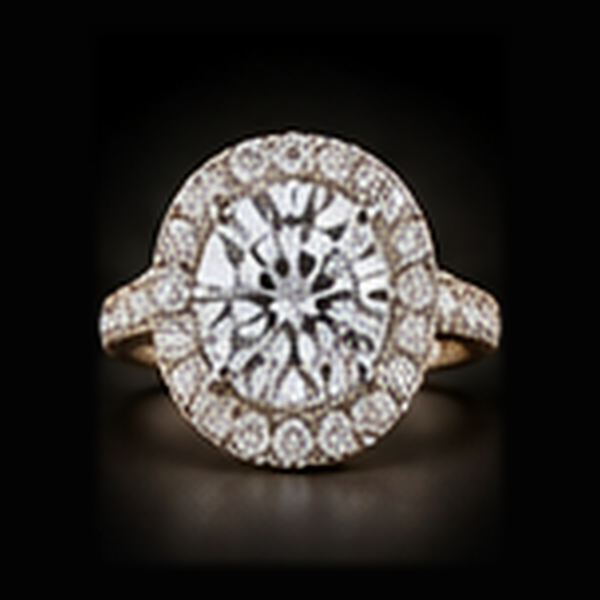
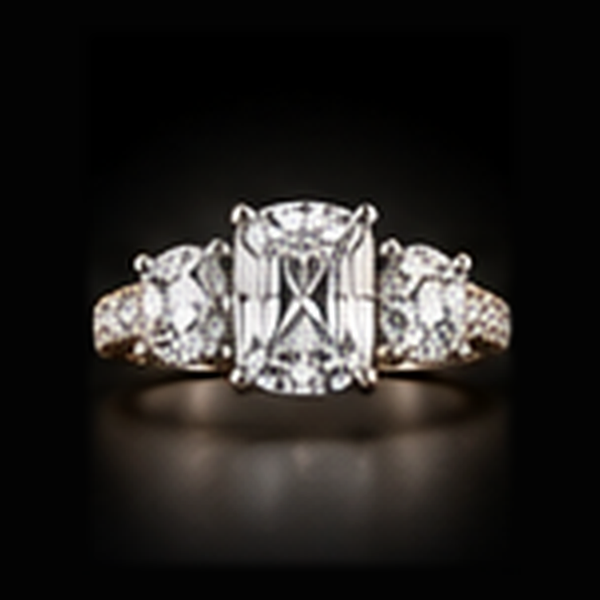
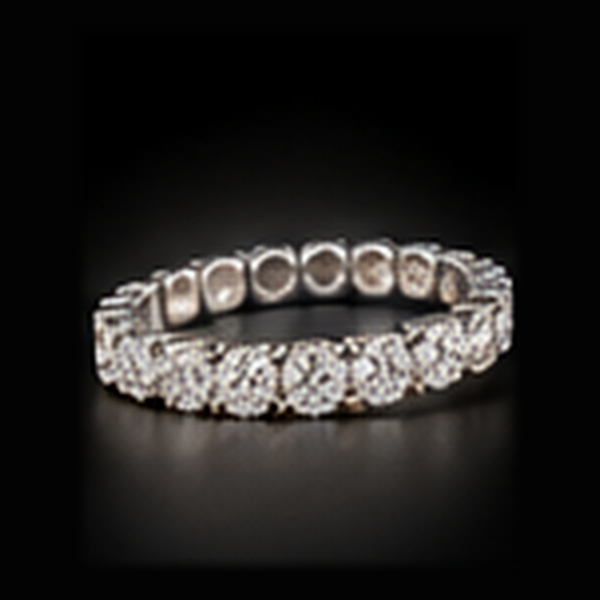
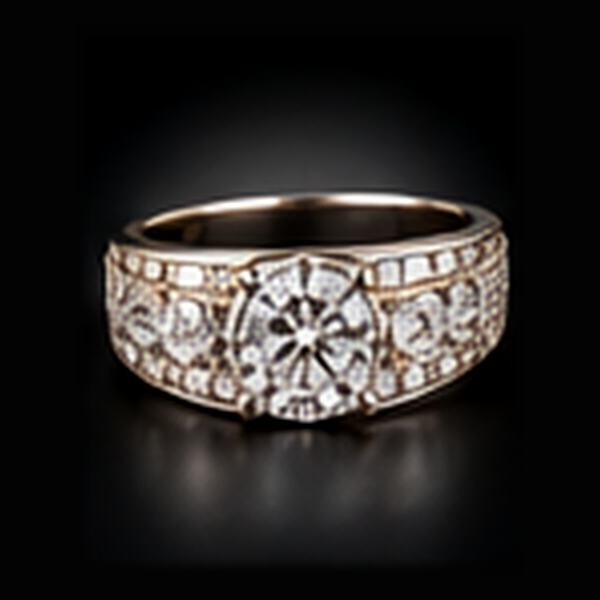
Engagement rings, cocktail rings, anniversary bands, estate rings, and any ring featuring a diamond center stone or significant diamond accents. The ring is evaluated as a complete piece — stone(s), metal, and craftsmanship.
Diamond Jewelry
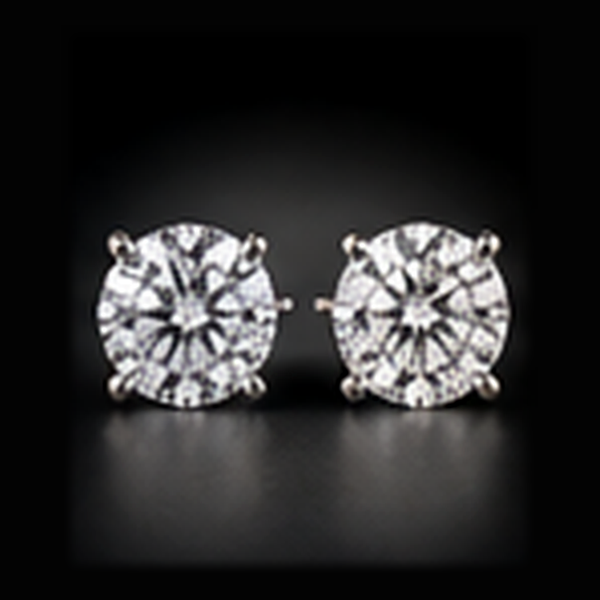
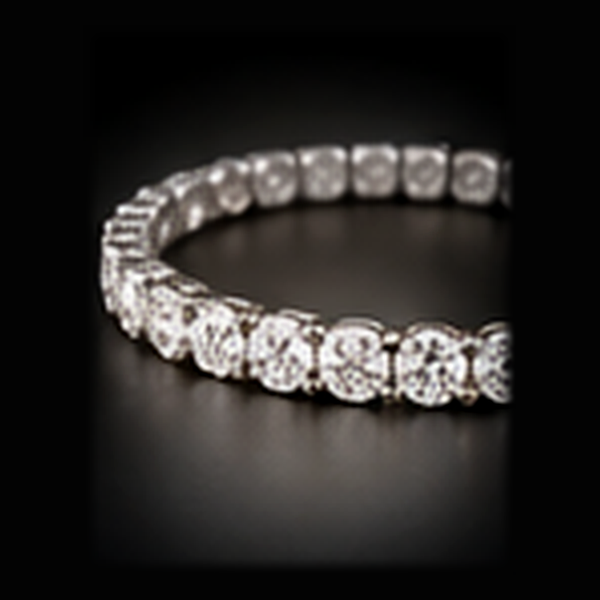
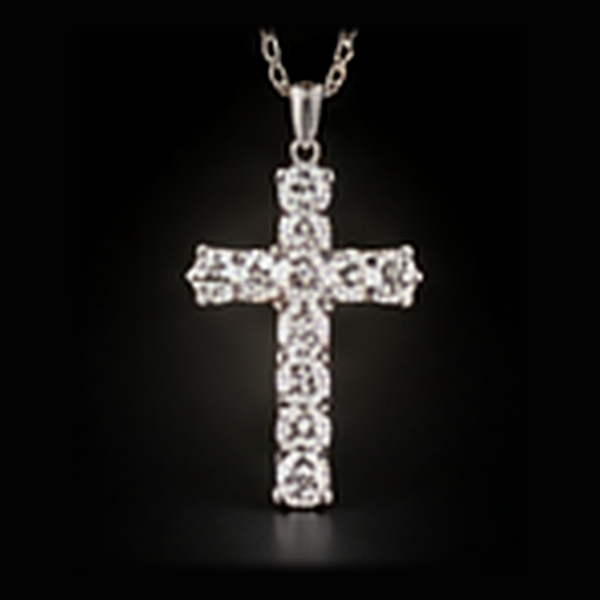
Necklaces, pendants, earrings, bracelets, and brooches featuring diamonds. Tennis bracelets with significant total carat weight. Diamond-set luxury watches may also be considered.
Estate and Inherited Diamonds
Diamonds from estate collections, inherited pieces, or family jewelry. These often come without modern certification, but an experienced evaluator can assess them accurately.
Diamond Collections
Multiple loose stones, a jewelry collection being liquidated, or a combination of pieces. Each item is evaluated individually.
How Diamond Buying Works at Balili Jewelry & Pawn
Gemological Assessment
Each diamond is examined using professional gemological equipment — microscope, refractometer, spectroscope, and precision scale. The 4Cs (carat, cut, color, clarity) are assessed directly, regardless of any existing paperwork.
Certification Verification
If a GIA, AGS, or other lab report accompanies the diamond, the grading is verified against the actual stone. Lab reports describe the diamond at the time of grading — subsequent damage, treatments, or simple grading discrepancies are identified through direct examination.
Market Valuation
The diamond's specific combination of characteristics is compared against current wholesale and secondary market pricing. This is not a retail replacement value — it is the price at which your diamond would transact in today's professional diamond market.
Mounting Evaluation
For diamonds set in jewelry, the mounting is evaluated separately: metal type and weight, craftsmanship, brand attribution, and any additional stones.
Cash Offer
You receive a cash offer based on the complete evaluation. The offer is explained clearly — you will understand what drives the number.
"What Balili Jewelry & Pawn offers is accurate assessment and a competitive offer within the realistic parameters of the secondary market. You will not be told your diamond is worth less than it is. You will also not be given false expectations about what the market will bear."
Balili Jewelry & Pawn
Setting Realistic Expectations: Diamond Resale vs. Retail
This is the most important thing to understand about selling diamonds: the secondary market value of a diamond is significantly lower than the original retail price. This is true regardless of where you sell.
Retail diamond prices include the jeweler's overhead, profit margin, branding, marketing, and the cost of maintaining a retail operation. None of these costs transfer to the resale market. A diamond purchased at retail for $10,000 may have a secondary market value that is a fraction of that figure.
This is not a reflection of dishonesty from any particular buyer — it is a structural feature of the diamond market. An honest buyer will explain this clearly. A dishonest buyer may imply they can match retail, which should be a red flag.
Factors That Maximize Your Diamond's Sale Value
GIA Certification
A current GIA report is the single most impactful factor for maximizing sale price. It provides independent verification of your diamond's qualities and eliminates the need for the buyer to assume conservative grades.
Carat Weight at Threshold Points
Diamonds at or just above key thresholds — 1.00ct, 1.50ct, 2.00ct, 3.00ct — command disproportionately higher per-carat prices. A 0.98ct diamond is worth measurably less per carat than a 1.01ct stone.
Cut Quality
Excellent and Ideal cut grades carry strong premiums. Cut is the factor most responsible for a diamond's visual beauty and is heavily weighted in secondary market pricing.
Desirable Configurations
Round brilliant diamonds in the D–H color range with VS2 or better clarity and Excellent cut represent the sweet spot for resale demand. Fancy shapes have their own demand curves, with ovals and cushions currently strong.
Fancy Color Diamonds
Vivid or intense fancy-colored diamonds — particularly yellow, pink, and blue — operate on a separate pricing structure and can carry significant premiums when properly documented.
Selling vs. Borrowing: Consider Your Options
If you are not certain that selling is the right move, a collateral loan may be worth considering. A diamond loan lets you access cash while retaining ownership. If you decide you want the diamond back — or if market conditions change — you repay the loan and reclaim your stone.
Both options are available at Balili Jewelry & Pawn. During your evaluation, we can present both a purchase offer and a loan offer, letting you choose the path that makes the most sense.
Miami Diamond Market
Miami's jewelry trade — concentrated in the downtown jewelry district and extending through the luxury retail corridors of the Design District and Bal Harbour — creates a sophisticated local market for diamond transactions. International buyers, estate dealers, and a large base of private collectors make Miami one of the more active secondary diamond markets in the Southeast.
Considering Other Options?
Not every situation calls for an outright sale.
How It Works
- 01
Bring Your Diamonds
Visit Balili Jewelry & Pawn with your loose diamonds, diamond jewelry, or collection. Bring any GIA reports, appraisals, or purchase documentation you have.
- 02
Expert Gemological Evaluation
Each diamond is examined and graded using professional equipment. Existing certifications are verified. The mounting and additional stones in jewelry pieces are assessed separately.
- 03
Receive a Competitive Offer
You receive a cash offer based on the full evaluation, explained transparently. Accept and get paid — or take time to compare.
Frequently Asked
Diamond value depends on carat weight, cut, color, clarity, shape, fluorescence, and market demand. There is no single formula — each stone is evaluated individually. Bring your diamond in for a specific assessment.
Related Services
Diamond Ring Loans Miami
For visitors considering borrowing instead.
Learn moreEngagement Ring Loans Miami
Specific ring selling/lending crossover.
Learn moreSell Diamonds Miami
Our dedicated diamond-selling page.
Learn moreGold Buyer Miami
Adjacent selling page.
Learn moreAll Loan Services
Alternative to selling.
Learn moreCome See Us In Person
Visit Balili Jewelry & Pawn at 4343 S State Rd 7, Ste 104, Davie, FL 33314. We serve customers across South Florida.
Your Diamond Deserves a Real Evaluation — Not a Guess.
Bring your diamonds to Balili Jewelry & Pawn for a professional gemological assessment and a competitive cash offer. Transparent pricing. Expert evaluation. No pressure.